Our Location
304 North Cardinal St.
Dorchester Center, MA 02124

304 North Cardinal St.
Dorchester Center, MA 02124

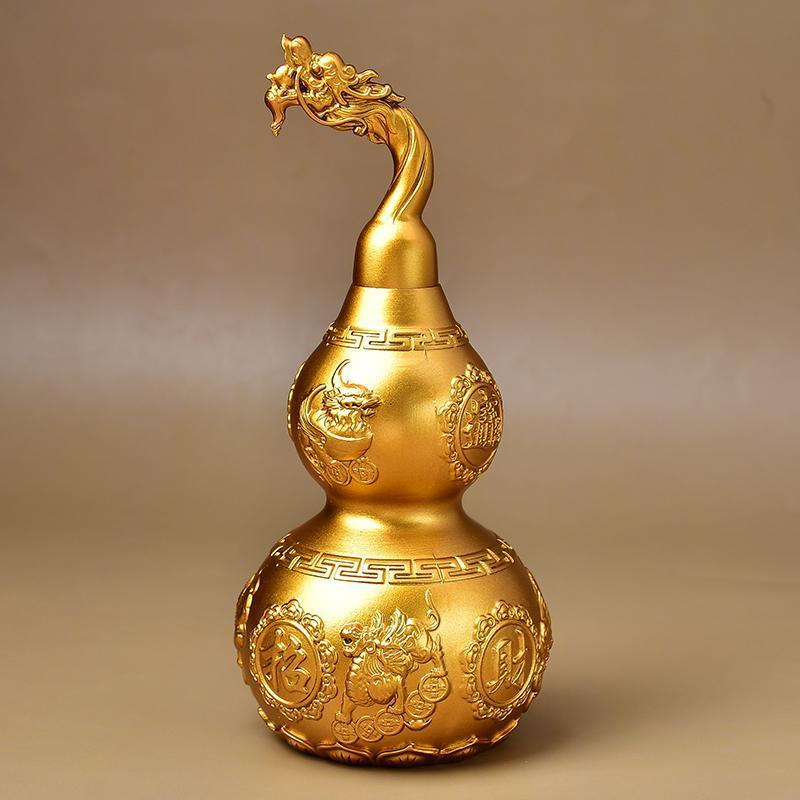
I grew up in China, an ancient Eastern land shaped by millennia of cultural heritage. As a child, I developed a deep affinity for gourd culture and its handicrafts. Fueled by this sincere passion, I put together this comprehensive guide. Whether you want to discover the rich cultural connotations of gourds, find inspiration for distinctive home decor, or learn about the exquisite craftsmanship behind these artworks, this guide contains all the insights I have gained along my journey.
In this guide, you’ll learn:
Gourd ornaments are mainly divided into two categories. Both categories embody the ancient Chinese people’s auspicious wishes for good fortune and blessings, sharing a common cultural core. However, they differ significantly in their materials, craftsmanship, and forms of inheritance, each possessing its own unique charm.
I. Natural Gourd ornaments
These ornaments use naturally shaped, air-dried gourds as their sole base. Craftsmen utilize various hard-shelled natural gourds, such as gourds and egg-shaped gourds, employing traditional techniques like carving, hand-painting, pyrography, and fine polishing to artistically process and sculpt the raw gourd, ultimately creating uniquely charming gourd handicrafts. Natural gourd handicrafts possess a unique quality: no two pieces are exactly alike. Each piece retains the gourd’s original natural curves and unique texture, embodying both the tranquil warmth bestowed by nature and carrying the traditional folk craftsmanship passed down through generations of artisans.

II. Gourd-Shaped Ornaments
The second category is gourd-shaped ornaments, inspired by the classic and timeless shape of the gourd—its soft, double-lobed outline and slender, tapering form. This classic shape is deeply rooted in the cultural memory and aesthetic system of the Chinese people. Unlike natural gourd ornaments, these pieces no longer use the gourd as the raw material. Instead, they utilize diverse materials such as wood, ceramics, metal, jade, crystal, resin, bamboo, and glass to create decorative ornaments that combine artistic beauty with practical crafts suitable for everyday life.
Throughout the history of Chinese crafts, gourd-shaped ornaments have always developed in parallel with and complemented natural gourd ornaments. In my long-term exploration of gourd culture and craftsmanship, I have deeply realized that different materials can give the same gourd shape completely different textures, durability, and aesthetic atmospheres. These gourd-shaped ornaments not only fully preserve the auspicious and blessing cultural core of the gourd but also bring the millennia-old Eastern gourd culture into modern homes and to a wider public through diverse and innovative forms.

Understanding the symbolism of the gourd is essential to appreciating why this shape has been celebrated in Chinese culture for thousands of years. The gourd’s significance is deeply woven into the fabric of traditional Chinese life.
The gourd, known as hulu in Chinese, carries profound auspicious meaning through phonetic associations:
This phonetic blessing makes the gourd one of the most beloved motifs in Chinese decorative arts, appearing on everything from imperial porcelain to everyday household items.
The gourd’s symbolism extends beyond wordplay to its natural characteristics:
The gourd holds a special place in Chinese folklore and cultural practice:
The gourd shape is often combined with other symbols to amplify its meaning:
| Symbol Combination | Meaning |
|---|---|
| Gourd + Bat(s) | “Blessings vast as the sky” (bats symbolize blessings) |
| Gourd + Crane or Deer | Extended longevity symbolism |
| Five Gourds Together | The “Five Blessings”: longevity, wealth, health, virtue, and peace |
| Double Gourd | “Double fortune” or enhanced protection |
| Gourd + Peony | Wealth and honor combined with fortune |
| Gourd + Lotus | Continuous purity and good fortune across generations |
The enduring appeal of gourd-shaped ornaments lies in their ability to combine timeless symbolism with material diversity:
The gourd shape has been a consistent motif in Chinese art for millennia:
Ancient Origins: Gourds were among the earliest cultivated plants, used as containers and utensils. Archaeological finds, such as gourd seeds at the Hemudu site in Zhejiang, confirm their use over 7,000 years ago.

Early Dynasties: In the Zhou Dynasty, the gourd was used in wedding ceremonies—the “Hejin” ritual where a gourd split into two halves served as a shared drinking vessel for the bride and groom, symbolizing their union and shared future.
Imperial Era: Gourd-shaped vessels were produced in imperial workshops, particularly in ceramics and cloisonné enamel. The Kangxi and Qianlong emperors of the Qing Dynasty were especially fond of gourd-shaped objects, commissioning them in porcelain, jade, and gold.
Folk Tradition: In rural communities, gourd-shaped containers were used daily, and decorative gourd motifs appeared on folk art, architecture, and textiles.
Contemporary Revival: Today, gourd-shaped ornaments are experiencing renewed appreciation, with artisans exploring new materials and contemporary designers incorporating the form into modern home decor.
Gourd-shaped ornaments are made from a diverse range of materials, each offering distinct aesthetic qualities, durability, and price points. Understanding these options helps you select the right piece for your needs.
Natural gourd ornaments are crafted from raw natural gourds. After basic preprocessing including harvesting, peeling, air-drying, polishing, and shaping, they are refined by multiple traditional handcraft techniques such as carving, pyrography, mother-of-pearl inlay, color painting, lacquering, and knot assembly.
As gourds grow naturally, each varies in size, curvature, and surface texture. Every piece is unique and irreproducible. In Chinese culture, the gourd sounds identical to “blessing and fortune.” It carries the auspicious meaning of attracting good luck and prosperity. Boasting natural texture and oriental handmade aesthetics, these ornaments serve as exquisite home decorations for entryways, tea rooms, and studies. They also make highly distinctive gifts with profound symbolic meanings.
Wooden gourd-shaped ornaments are prized for their natural warmth and sculptural qualities.
Ceramic gourd ornaments represent one of the most refined expressions of this form, offering endless possibilities in color, texture, and finish.
Brass gourd ornaments are valued for their warm golden hue, durability, and timeless appeal. Brass has been a favored material for decorative arts across many cultures, offering an elegant balance between affordability and luxury.
Common materials: Brass is the primary focus, along with bronze, copper, and occasionally silver and gold for premium pieces.
Production techniques: Casting (including lost-wax casting), chasing, engraving, repoussé, and cloisonné enameling.
Applications: Incense burners, decorative vessels, ornamental figurines, desk accessories, and home accents.
Aesthetic qualities: Brass can be polished to a bright, mirror-like finish or left to develop a rich, natural patina over time. It can also be lacquered to preserve its original shine or antiqued for a vintage look.
Care considerations: Dust regularly with a soft cloth. For tarnished brass, use a polish specifically formulated for brass to restore its luster. Avoid acidic or abrasive cleaners, which can damage the surface.
Jade gourd carvings are among the most prized gourd-shaped ornaments, valued for their material rarity, symbolic significance, and the skill required to carve them.
Crystal and glass gourd ornaments emphasize the form’s elegance through transparency, light refraction, and brilliance.
Resin and other synthetic materials offer accessibility and versatility, making gourd-shaped ornaments available to a wider audience.
Gourd ornaments have a wide range of uses, from practical household items to meaningful gifts and exquisite decorations.
Gourd ornaments are widely used as home decorations. Their beautiful proportions and rich cultural connotations make them an ideal choice for enhancing interior spaces.
Miniature gourd ornaments are popular as car hangings or dashboard decorations. They are believed to bring safety and good luck to drivers and passengers, making them a thoughtful and practical accessory for vehicles.

Gourd ornaments are highly regarded for their profound symbolism, especially suitable for occasions where good wishes need to be expressed:
Gourd-shaped objects are incorporated into various cultural items and traditions:
For enthusiasts and collectors, gourd ornaments in precious materials such as jade, cloisonné, or antique ceramics are valued as collectible pieces. These items are often displayed in glass cabinets, on dedicated shelves, or as part of curated art collections, appreciated for both their craftsmanship and cultural significance.
Gourd ornaments come in a wide range of sizes, from tiny charms to large statement‑making sculptures. They also vary greatly in materials and the complexity of carved or painted patterns. Select your ideal size and decorative motif based on your intended placement and usage scenario.
Size Reference Table
| Size | Best Placement | Suitable For |
|---|---|---|
| 2–4 inches | Car rearview mirror, backpack zipper, keychain, desk miniatures, small shelf accents | Hanging ornaments, charm-sized decor |
| 4–8 inches | Bookshelf, nightstand, office desk, side table, bathroom vanity | Tabletop accents, small-scale displays |
| 8–12 inches | Coffee table centerpiece, entryway console, fireplace mantel, credenza | Statement pieces, focal objects |
| 12+ inches | Floor-standing display, garden focal point, large foyer entrance | Large sculptural pieces, indoor anchors, outdoor decor |
A well‑chosen gourd ornament catches your eye every time you pass by, bringing inner joy and a sense of heartfelt comfort. It is never loud or ostentatious, but perfectly balanced — quiet, natural, and elegantly understated.
You may opt for genuine gourd artworks, hand‑processed from real dried gourds with diverse craftsmanship. Or you might lean toward decorative replicas crafted into the iconic gourd silhouette. Either way, your ideal piece is one that harmonizes with your living space and reflects your unique taste and personality. Take your time, trust your instincts, and enjoy the journey of finding your perfect piece.